IGR Survey on APC Flagbearer Race Raises Methodological and Institutional Questions
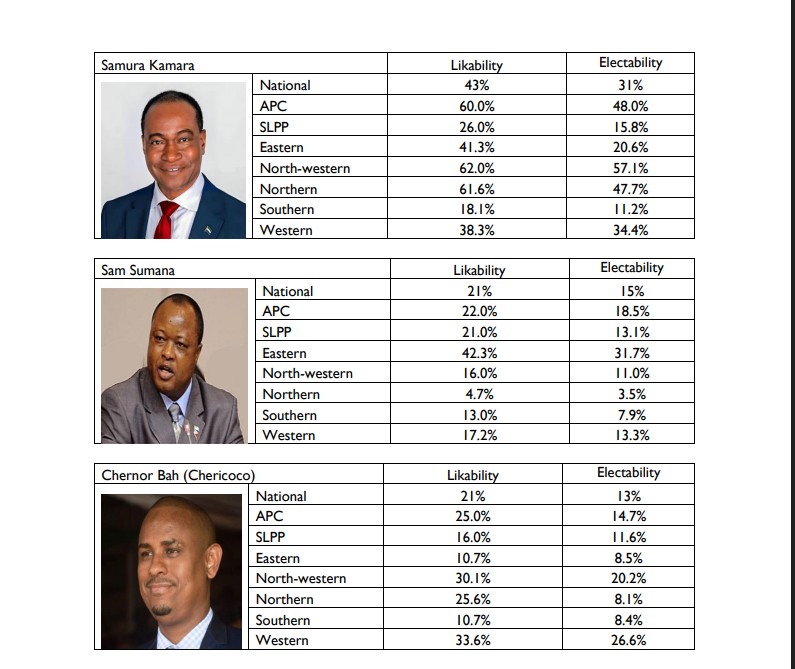
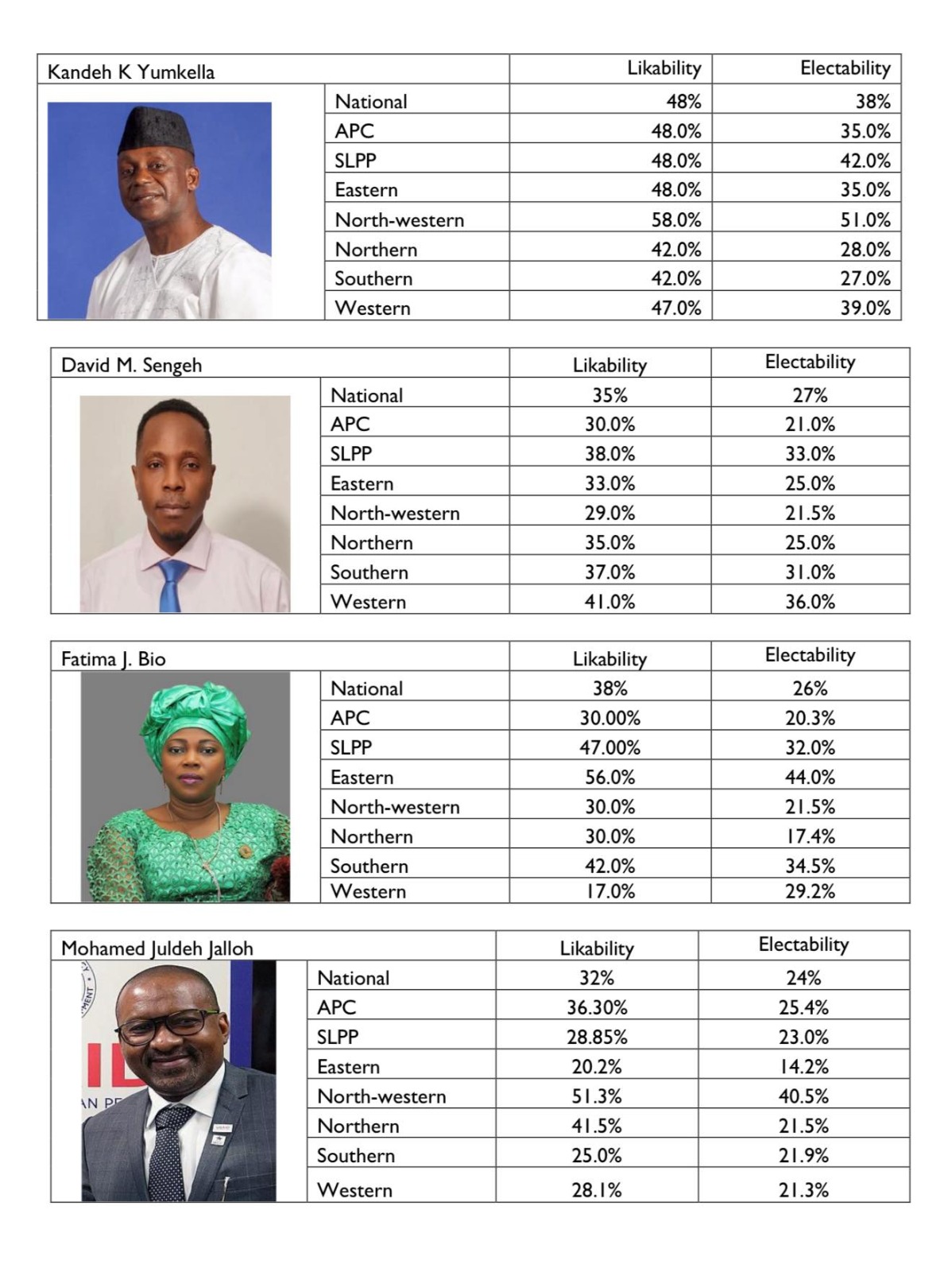
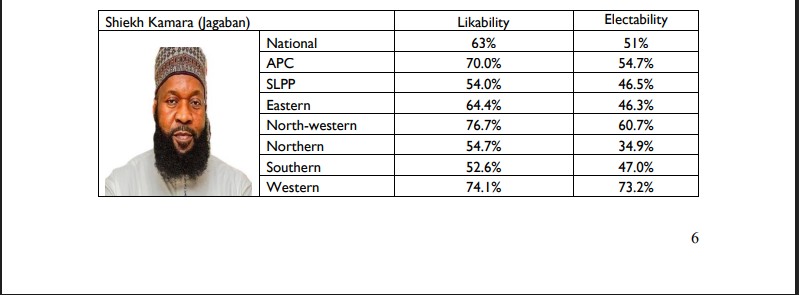
A new survey released by the Institute for Governance Reform (IGR) claims that Mr. Sheik Kamara, popularly known as Jagaban of the All People’s Congress (APC), is the only prospective presidential flagbearer with more than 50 percent voter endorsement ahead of the 2028 elections. While the findings have attracted significant attention, they also warrant careful scrutiny—both of the data presented and of the institution presenting it.
The study, Sierra Leone’s Political Marathon: Internal Democracy of Political Parties – Volume One (December 2025), was conducted nationwide between December 9 and 14, 2025. IGR reports that Jagaban recorded a 63 percent national likability rating and 51 percent electability, outperforming all other aspirants from both the APC and the ruling SLPP. However, the narrow margin above the 50 percent threshold for electability raises questions about how endorsement is defined and whether such figures justify the strong conclusions drawn.
More broadly, the report’s framing invites debate about IGR’s role, neutrality, and analytical rigor. While IGR positions the study as a “baseline assessment,” its headline conclusions risk being interpreted as predictive or even determinative in an internal party process that remains fluid, contested, and governed by delegate-based mechanisms rather than popular vote. The timing of the report—well ahead of formal party conventions—also amplifies concerns about agenda-setting and narrative influence.
The survey itself acknowledges deep flaws in internal party democracy, noting that only 18 percent of party members participate in nomination processes and just 26 percent vote in primaries. This raises a fundamental contradiction: if internal participation is so limited and decision-making so centralized among senior elites, to what extent can broad voter endorsement meaningfully translate into flagbearer outcomes?
IGR further reports that party members feel sidelined, with candidate selection perceived as heavily influenced by a small circle of power brokers. While this observation is important, it also underscores the limits of survey-based popularity metrics in a system where institutional control, not voter sentiment, often determines outcomes.
Methodologically, although the survey sampled 1,200 respondents across 150 enumeration areas with a stated margin of error of ±3 percent, IGR provides limited public detail on weighting, party affiliation verification, or how “likability” and “electability” were operationalized—key factors for assessing credibility.
In sum, while the IGR report contributes to the discourse on party democracy and voter attitudes, its conclusions should be treated with caution. Robust debate, transparency, and independent validation are essential if such surveys are to inform—rather than inadvertently shape—Sierra Leone’s democratic trajectory ahead of 2028.
About The Author