By Reporter J
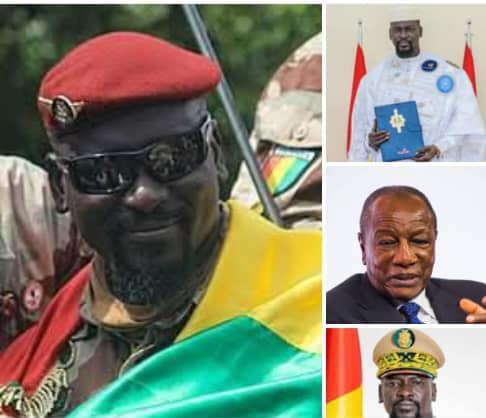
Guineans went to the polls today in the country’s first national election since the military coup that toppled President Alpha Condé in September 2021, marking a critical moment in the West African nation’s political trajectory.
The election comes after more than three years of military-led transition under junta leader Colonel Mamady Doumbouya, who is contesting the vote and is widely viewed as the frontrunner. His candidacy follows a political process that has seen several prominent opposition figures sidelined through disqualifications, arrests, or prolonged political exclusion, raising concerns about the competitiveness of the race.
Polling stations opened early across the capital, Conakry, and other regions, with security forces deployed heavily around voting centers. While some voters expressed hope that the election could restore constitutional order and civilian governance, others remained skeptical, citing fears of intimidation, limited political choice, and a lack of transparency.
“This vote will determine whether Guinea truly returns to democratic rule or remains under military dominance in civilian clothing,” said a local civil society observer in Conakry.
International and regional observers are closely monitoring the process amid concerns over press freedom, political repression, and the overall credibility of the transition. Previous demonstrations demanding a swift return to civilian rule were met with crackdowns, and opposition parties have repeatedly questioned the junta’s commitment to relinquishing power.
The Doumbouya-led military government had earlier promised to organize elections as part of a transition roadmap, following pressure from the Economic Community of West African States (ECOWAS) and other international partners. However, repeated delays and the exclusion of key political actors have cast a shadow over the process.
As voting continues, attention will now turn to turnout levels, the conduct of security forces, and the announcement of results in the coming days. For many Guineans, the outcome will signal whether the ballot box can finally end years of political uncertainty or entrench military influence for years to come.